
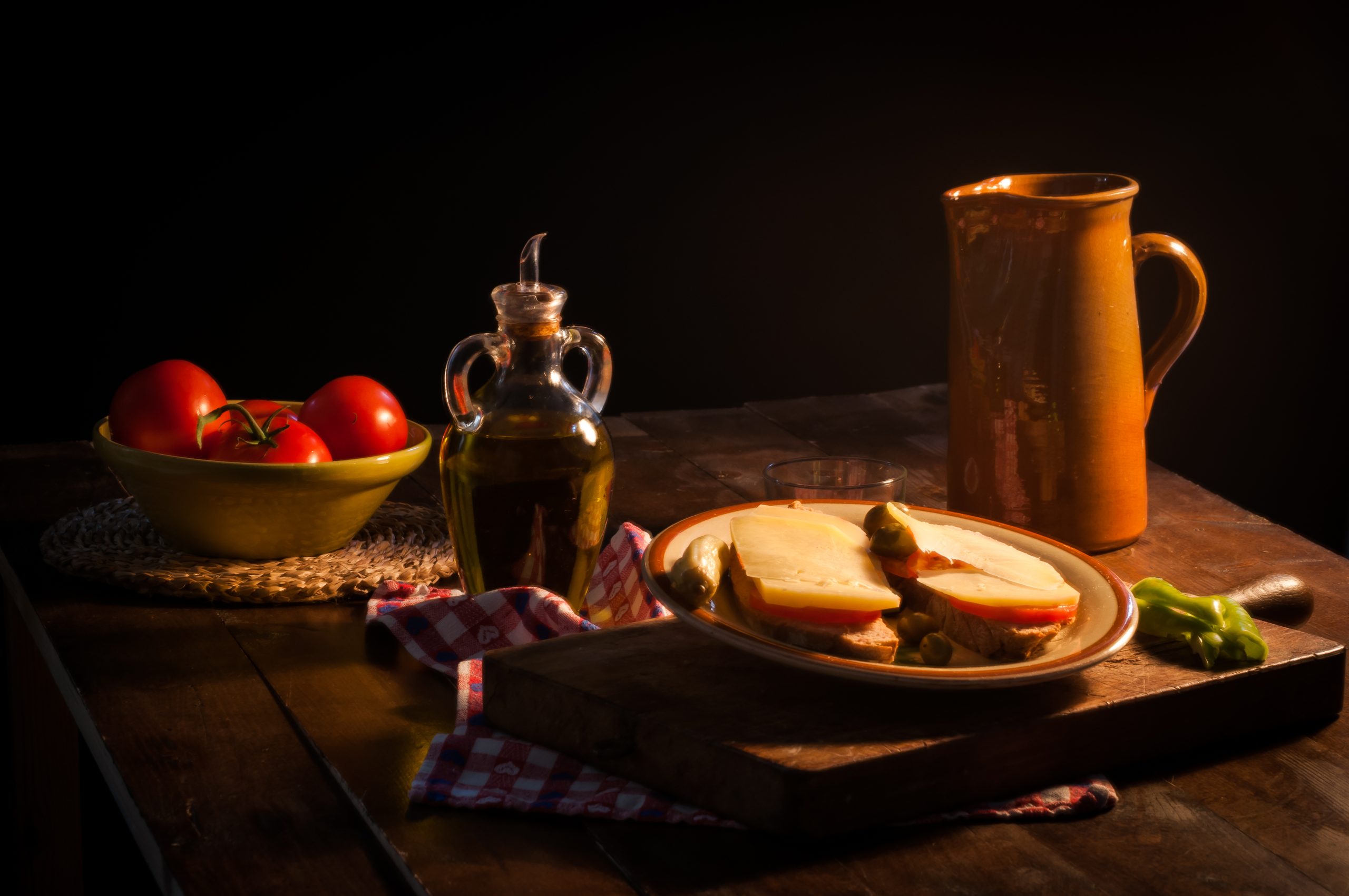
When people think of Spanish cheese, one name usually comes to mind first: Manchego.
And for good reason. Made in Castilla-La Mancha from sheep’s milk, Manchego PDO is one of Spain’s most recognised cheeses. But it is only the beginning.
From creamy cow’s milk cheeses in the north to distinctive goat’s cheeses, sheep’s milk specialities and slowly matured varieties from across the country, Spanish cheese is incredibly diverse.
Different regions, milk types, ageing methods and local ingredients create cheeses with completely different personalities.
At Alimentias, we believe that discovering Spanish cheese means looking beyond the most famous name. So, let’s explore the flavours, varieties and places that make Spanish cheese so unique.
Spain’s geography has a lot to do with the diversity of its cheese.
The country stretches from the green landscapes of northern Spain to the dry plains of Castilla-La Mancha and the Mediterranean coast. Different climates, farming traditions and local ingredients shape the way cheese is produced in different parts of the country.
Spanish cheeses can be made from:
They can also vary enormously in texture and flavour. Some are fresh and creamy, while others are firm, intense and deeply matured. Some are smoked, some are washed, and others develop their character through carefully controlled ageing.
Spain also has a rich collection of protected cheeses. PDO, or Protected Designation of Origin, cheeses are linked to specific geographical areas and production requirements, helping to preserve the identity and characteristics of regional specialities.
So, when talking about Spanish cheese, there is no single flavour or style.
There is a whole world to discover.
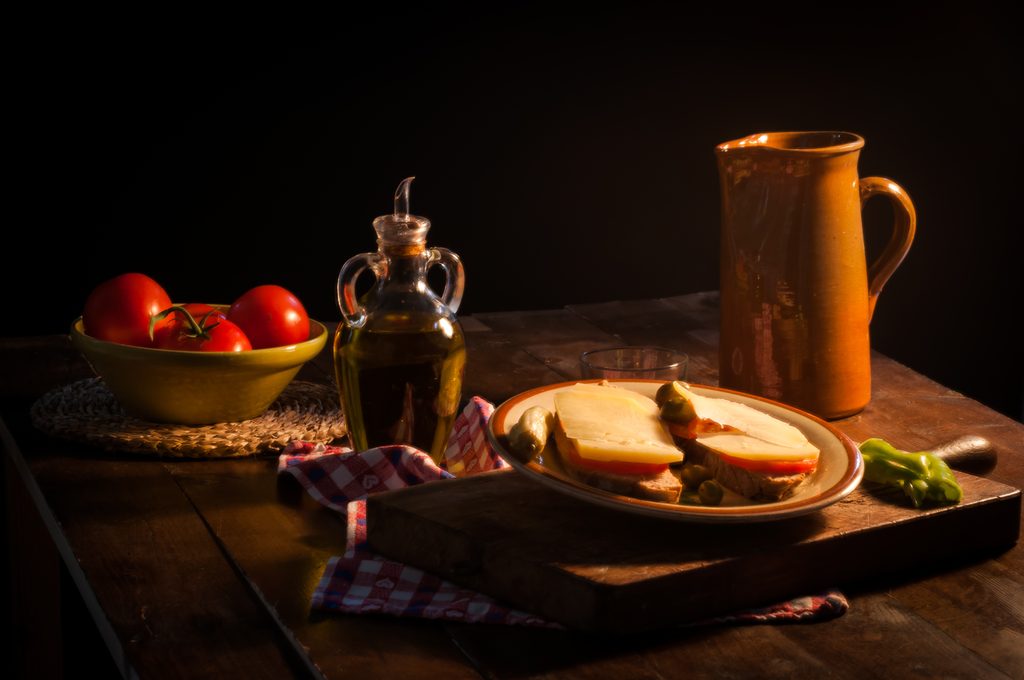
One of the easiest ways to explore Spanish cheese is to start with the milk.
Sheep’s milk has played an important role in Spanish cheesemaking for centuries, particularly across the central plateau.
Manchego is the best-known example, but it is far from the only Spanish sheep’s cheese worth discovering.
Depending on the region, recipe and ageing time, sheep’s milk cheeses can range from smooth and creamy to firm, nutty and intensely flavoured.
Ageing is particularly important. As a sheep’s cheese matures, its texture becomes firmer and its flavour develops greater depth.
For anyone discovering Spanish cheese for the first time, sheep’s milk varieties are an excellent place to start.
Spanish goat’s cheese offers a completely different experience.
Goat’s milk can produce fresh, bright and creamy cheeses, but longer ageing can create much more complex flavours and firmer textures.
Spain’s different regions have developed their own goat’s cheese traditions, and modern cheesemakers continue to explore new combinations of ageing, ingredients and textures.
Some Spanish goat’s cheeses are also flavoured or matured with ingredients that give them an additional layer of character.
The result is a category that can be surprisingly diverse, from delicate cheeses to bold, full-flavoured varieties.
Cow’s milk cheeses are particularly associated with northern Spain, where the climate and landscape have supported a strong dairy tradition.
Galicia, Asturias, the Basque Country and other northern regions are home to distinctive cow’s milk cheeses, each with its own personality.
Some are soft and buttery. Others are firmer or smoked, with more pronounced flavours.
Exploring Spanish cow’s cheese is another reminder that Spanish cheese is about far more than Manchego.
Of all the Spanish cheeses, Manchego is undoubtedly the most internationally recognised.
Manchego PDO comes from Castilla-La Mancha and is made using milk from the Manchega sheep breed. Its characteristic flavour and firm texture develop as the cheese matures.
But even within Manchego, there is plenty of variety.
Ageing has a major influence on the final cheese. A younger Manchego can be smoother and creamier, while longer-aged versions develop a firmer texture and more intense, complex flavours.
At Alimentias, our relationship with Manchego goes back to the beginning of the company in 1999, when Don Juan became the face of our Manchego cheeses around the world.
Today, Manchego remains an important part of our portfolio, but our work with cheesemakers across Spain allows us to bring many other Spanish cheese varieties to international markets too.
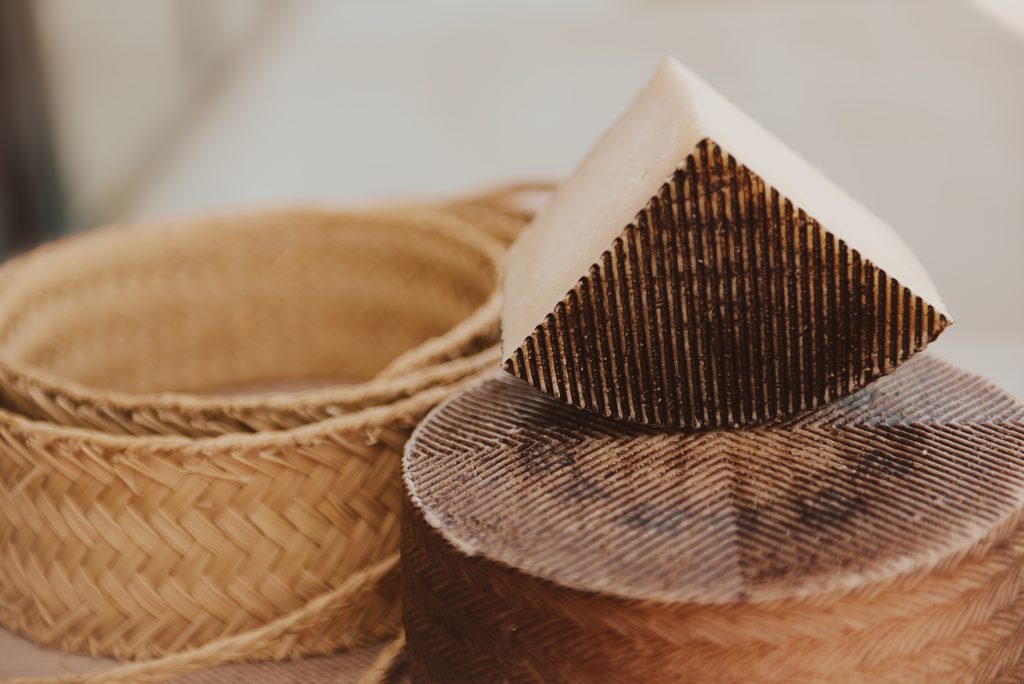
Time can transform cheese.
During ageing, changes in moisture, texture, aroma and flavour gradually take place. The conditions in which a cheese matures can also influence how those characteristics develop.
This is why two cheeses made from similar milk can taste completely different depending on how they are aged.
Temperature, humidity, airflow and time all matter.
For some cheeses, ageing may last just a few weeks. Others continue developing for several months or longer.
At Alimentias, selected cheeses continue their journey from Castilla-La Mancha to our ageing caves in Jerez de la Frontera, where carefully controlled conditions allow them to develop their character.
There is something particularly fascinating about ageing cheese underground.
At our cheese caves in Jerez de la Frontera, selected cheeses are slowly matured in specialised ageing environments.
Four of our caves are dedicated to Manchego PDO and are connected to a greenhouse where aromatic plants such as lavender, thyme and rosemary grow.
The caves provide carefully controlled conditions for the cheeses as they mature, while the surrounding environment forms part of the experience.
The result is a different expression of Spanish cheese: one where time, place and ageing become part of the flavour story.
Our cave-aged Manchego is matured for several months, allowing its texture and flavour to develop gradually.
It is a good example of how Spanish cheesemaking can respect its roots while continuing to explore new ways of creating distinctive cheeses.
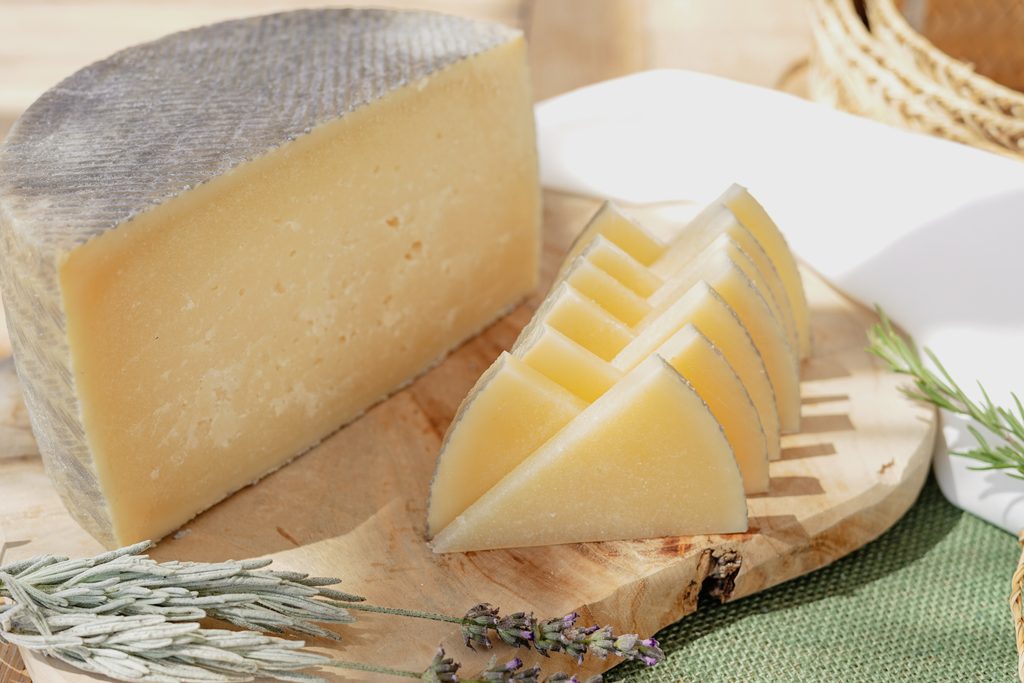
Jerez de la Frontera is one of Spain’s great wine regions, famous for Sherry.
For us, being based in this part of Andalusia created an opportunity to bring together two important parts of Spanish food culture: cheese and Sherry.
Our Sherry Cask ageing cave takes inspiration from the atmosphere of a traditional Jerez bodega.
Selected cheeses are matured inside certified Sherry casks, where the wood, wine aromas and controlled ageing environment contribute to the cheese’s final character.
The result is a distinctive Spanish cheese with a sweet, complex Sherry-aged profile.
It is an example of what happens when regional food traditions meet curiosity and innovation.
Spanish cheese is made for sharing.
A good cheese can stand perfectly well on its own, but the right accompaniment can create an entirely different tasting experience.
Some classic combinations include:
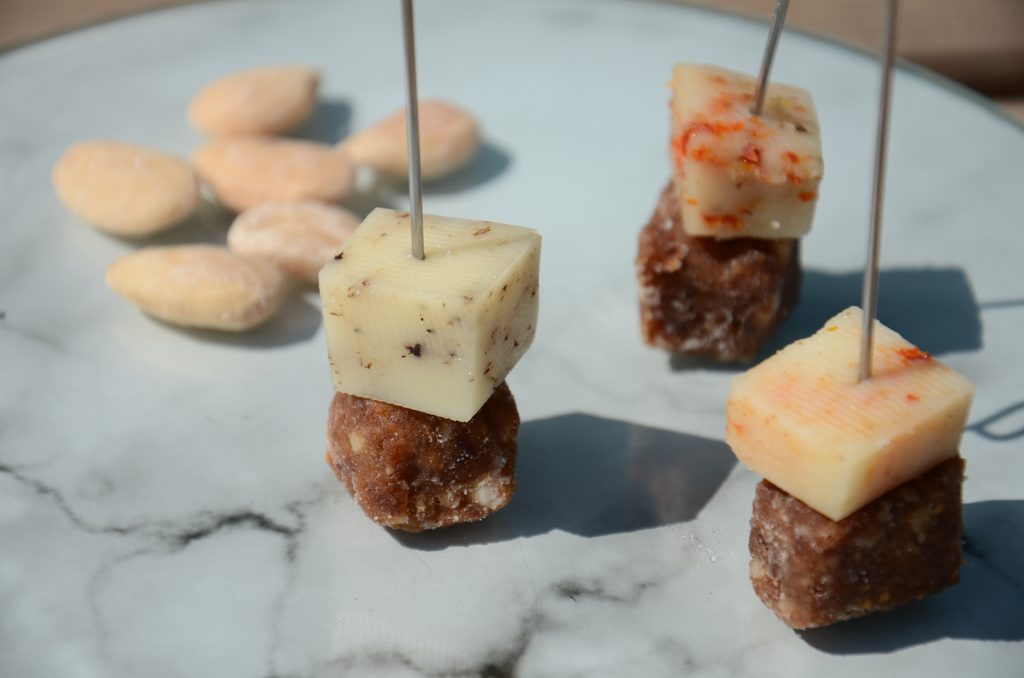
Crunchy, delicate and naturally rich, Marcona almonds make an excellent contrast to creamy or matured cheeses.
The sweet, concentrated flavour of quince provides a classic sweet-and-savoury contrast with Spanish cheese.
Fruit-based accompaniments can bring sweetness and texture to a cheese board, particularly alongside stronger matured cheeses.
Wine and cheese are a natural combination, and Spain offers plenty of possibilities. From fresh whites to richer reds and the distinctive styles of Sherry from Jerez, different wines can highlight different characteristics in the cheese.
The best part is that there are no strict rules.
Try different textures, flavours and combinations and see what works for you.
One of the most interesting things about Spanish cheese is the connection between the product and its origin.
A cheese from northern Spain tells a different story from one made in Castilla-La Mancha.
The milk, landscape, climate, local ingredients and ageing traditions all contribute to the final product.
This connection between food and place is one reason protected designations such as PDO are so valuable. They help preserve the identity of regional products and give consumers a way to understand where and how a cheese is made.
For anyone interested in Spanish cheese, looking at its origin can be just as interesting as looking at its ingredients.
Next time you pick up a Spanish cheese, ask:
Where is it from?
What type of milk is it made from?
How long has it been aged?
How has it been matured?
The answers can tell you a lot about what you are about to taste.
Spanish cheese may be rooted in local regions, farms and cheesemaking traditions, but its story does not end there.
At Alimentias, we have been bringing Spanish cheese to international markets since 1999.
Over the years, we have built relationships with more than 26 cheesemakers across Spain, allowing us to work with different varieties, styles and regional specialities.
Our operations connect several parts of Spain’s food landscape: cheesemaking in Manzanares, ageing in Jerez de la Frontera and our offices and Marcona almond operations in El Puerto de Santa María.
This gives us a perspective that goes beyond a single cheese or region.
We work across retail, foodservice and international markets, bringing together Spanish food heritage, modern production and the practical requirements of a global food business.
Today, Alimentias supplies customers in more than 50 countries, helping Spanish cheese and Mediterranean specialities travel far beyond their place of origin.
Manchego may be the cheese that first introduces many people to Spain’s cheesemaking culture.
But it is only the beginning.
Discover sheep cheeses, goat cheeses, and cow’s milk varieties from different regions. From young cheeses and mature cheeses to cheeses that spend months developing their character in carefully controlled caves.
There are also new combinations, new ageing techniques and new ways of bringing Spanish flavours to the table.
At Alimentias, this is what makes Spanish cheese so exciting.
Because Spanish cheese is not just one cheese.
It is a collection of regions, ingredients, people, techniques and stories.
It is a taste of Spain.
Explore our range of Spanish cheeses, cave-aged specialities and gourmet accompaniments, and discover the people, places and ideas behind the flavours.